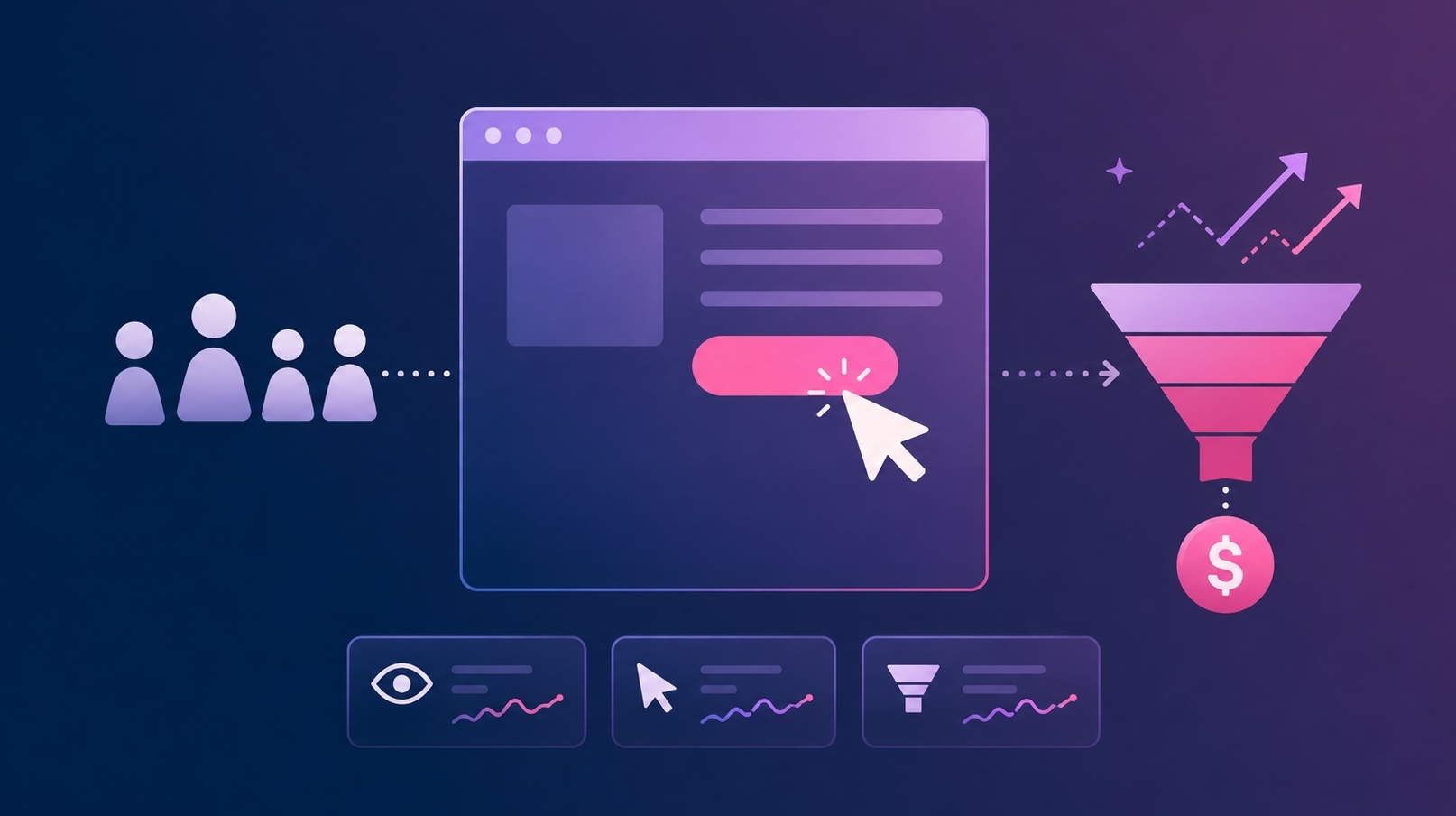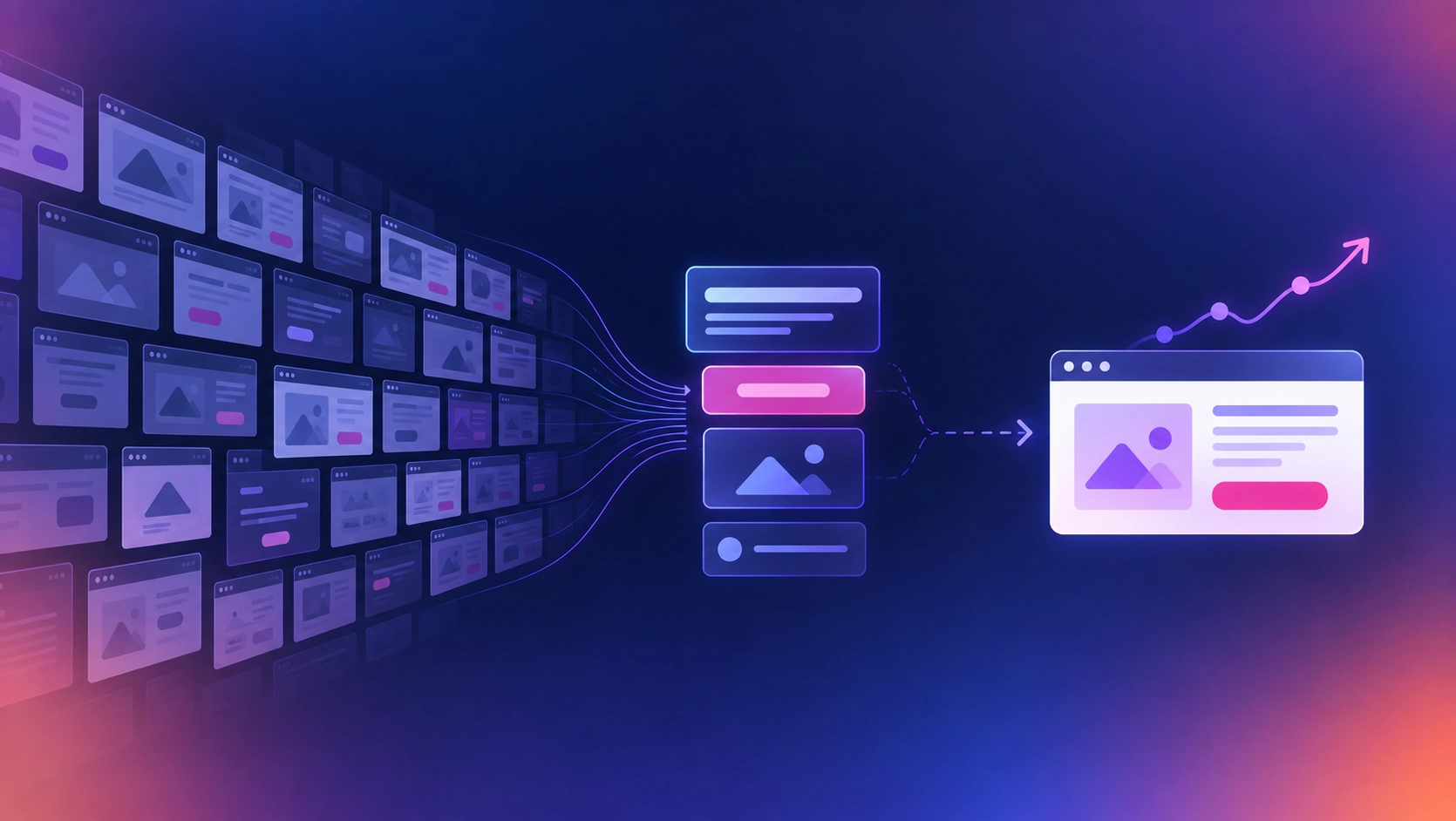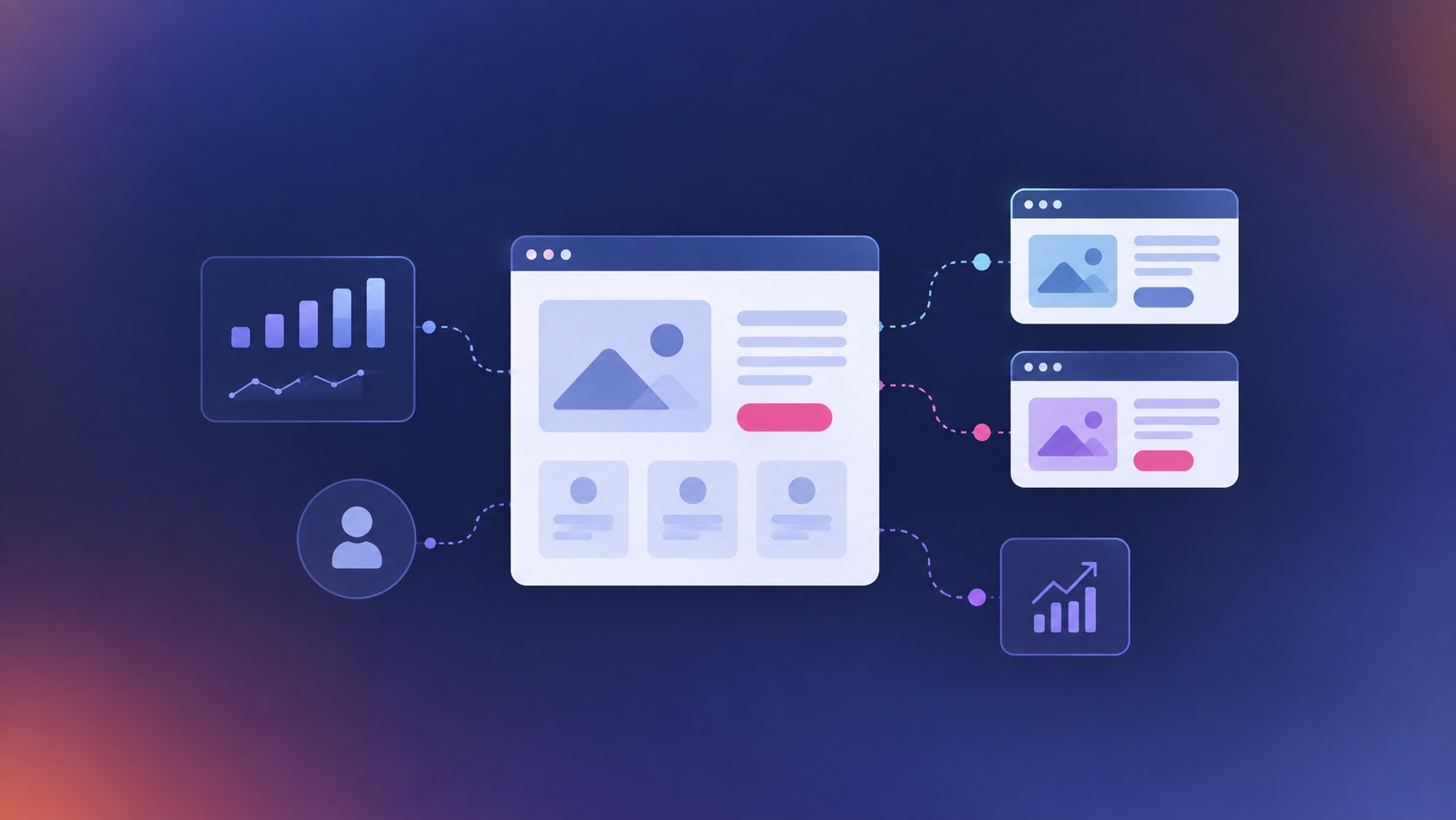





The CRO tool market is crowded. There are testing platforms, landing page builders, heatmap tools, session recorders, personalization engines, and all-in-one suites — many of them claiming to do similar things. Choosing the wrong one means paying for capabilities you don't need, or missing the capabilities you do.
Here's a framework for making the right call.
Start With Your Actual Testing Volume
Before evaluating any tool, answer this question honestly: how many tests per month do you realistically expect to run?
Buying an enterprise testing platform for a team that runs three tests a year is a waste of budget and attention.
Assess Your Technical Resources
The right tool for a 50-person engineering-led SaaS company is almost certainly wrong for a 5-person DTC brand with no in-house developer.
Questions to ask:
If experiments require engineering time every time, your testing velocity will be limited by that team's backlog. Tools that enable marketing-driven experimentation remove that bottleneck. This is a core reason lean teams gravitate to a platform like Surface AI, which goes live from a single script tag (or a Next.js/Vercel/Netlify/Shopify integration) in about two minutes and then runs experiments autonomously — no developer in the loop for each test.
Evaluate the Statistics Engine
Not all A/B testing tools handle statistics the same way. The key questions:
Poor statistics handling leads to false positives and wasted effort. It's one of the most underrated factors in tool selection.
Match the Tool to Your Stack
Many CRO tools have deep integrations for specific platforms — and limited support for others. Make sure the tool works natively with your setup before committing.
Avoid tools that only work as standalone landing page builders if your goal is optimizing your actual site.
Consider the Ongoing Operational Cost
The sticker price of a CRO tool is often the smallest cost. The bigger costs are:
Tools that require heavy manual involvement have a high operational cost even if the subscription is cheap. Tools that automate the experiment lifecycle reduce total cost even if their subscription is higher. A platform like Surface AI — from $79.99/month, with AI generating variants and a bandit handling allocation — is designed to keep both the subscription and the operational overhead low.
Questions to Ask Any Vendor
Before committing to a trial or contract:
A Framework for the Decision
For teams that want continuous optimization without the operational overhead of managing individual tests, AI-driven platforms like Surface AI handle experiment design, traffic allocation, and result analysis automatically — compressing what would take months of manual testing into an ongoing, self-improving system, starting at $79.99/month.