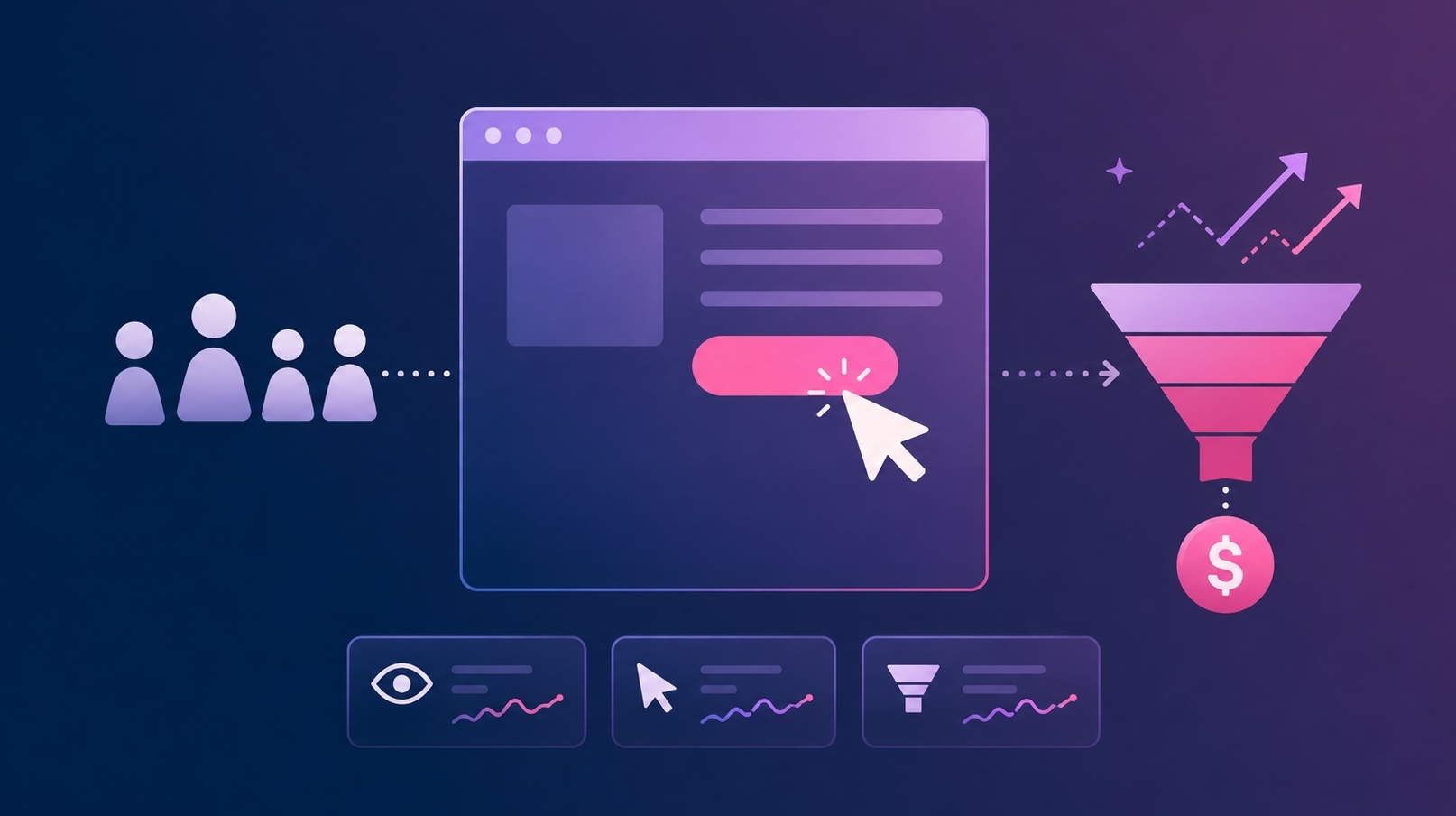





Conversion rate optimization (CRO) is the systematic process of increasing the percentage of website visitors who complete a desired action — whether that's signing up for a trial, making a purchase, booking a demo, or filling out a form.
Unlike paid advertising, which focuses on driving more traffic, CRO focuses on getting more value from the traffic you already have.
What is a Conversion Rate?
For example, if 10,000 people visit your landing page and 300 sign up, your conversion rate is 3%.
Industry benchmarks vary widely by channel and industry, but a "good" conversion rate for a SaaS landing page typically falls between 2–5%. Top performers regularly hit 10% or higher.
Why CRO Matters
Every business has a traffic acquisition budget — whether that's paid ads, SEO, or outbound. CRO multiplies the return on that investment without spending another dollar on traffic.
Consider the math:
Doubling your conversion rate doubles your revenue from the same traffic. That's the leverage CRO provides.
Core CRO Techniques
A/B Testing
The most common CRO technique. You split your traffic between two versions of a page (A and B) and measure which one converts better. The winner becomes your new baseline.
Multivariate Testing
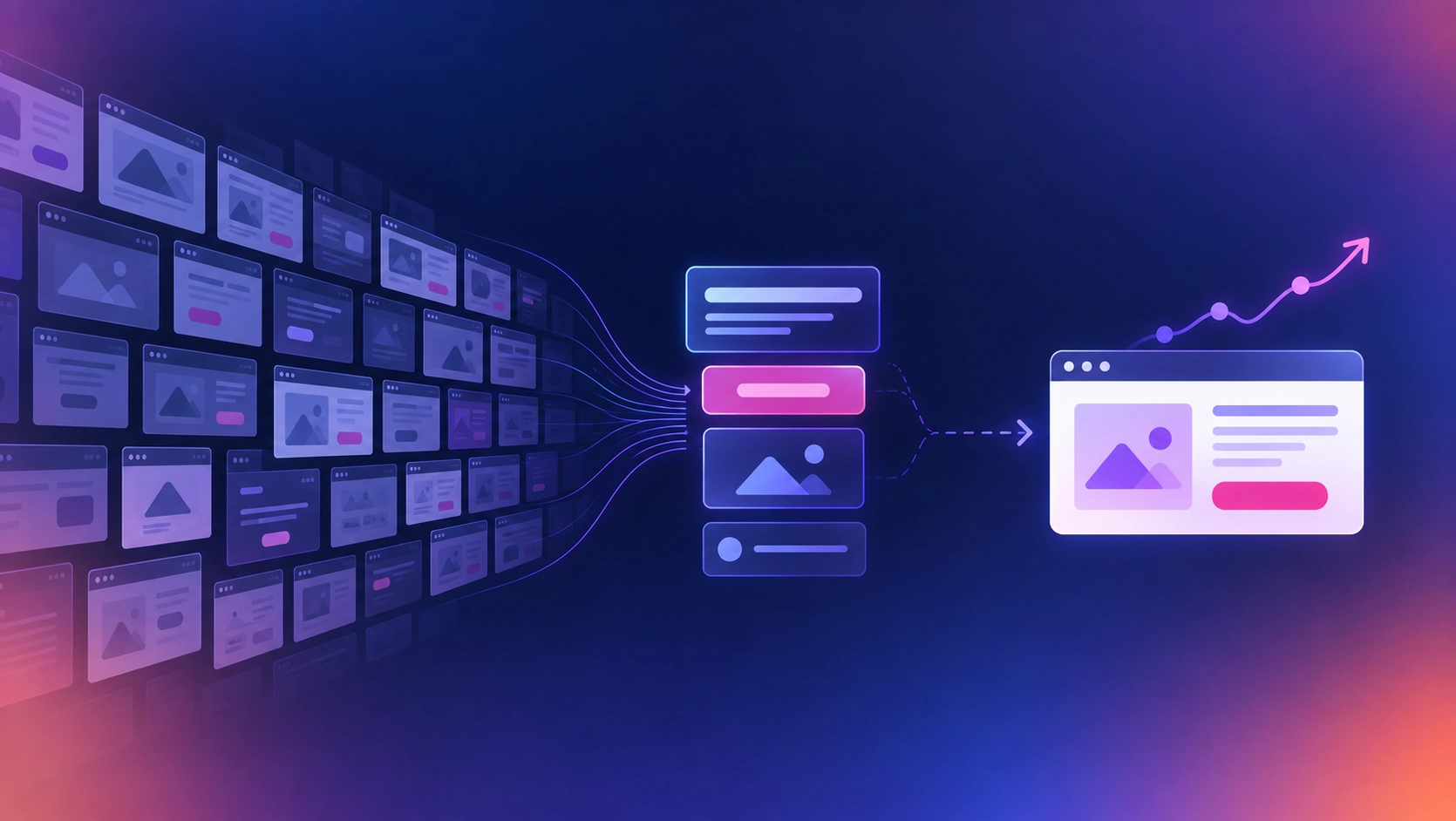
Instead of testing two full page variants, multivariate testing evaluates multiple individual elements simultaneously — headline, CTA button, hero image — to find the best-performing combination.
Bandit Testing
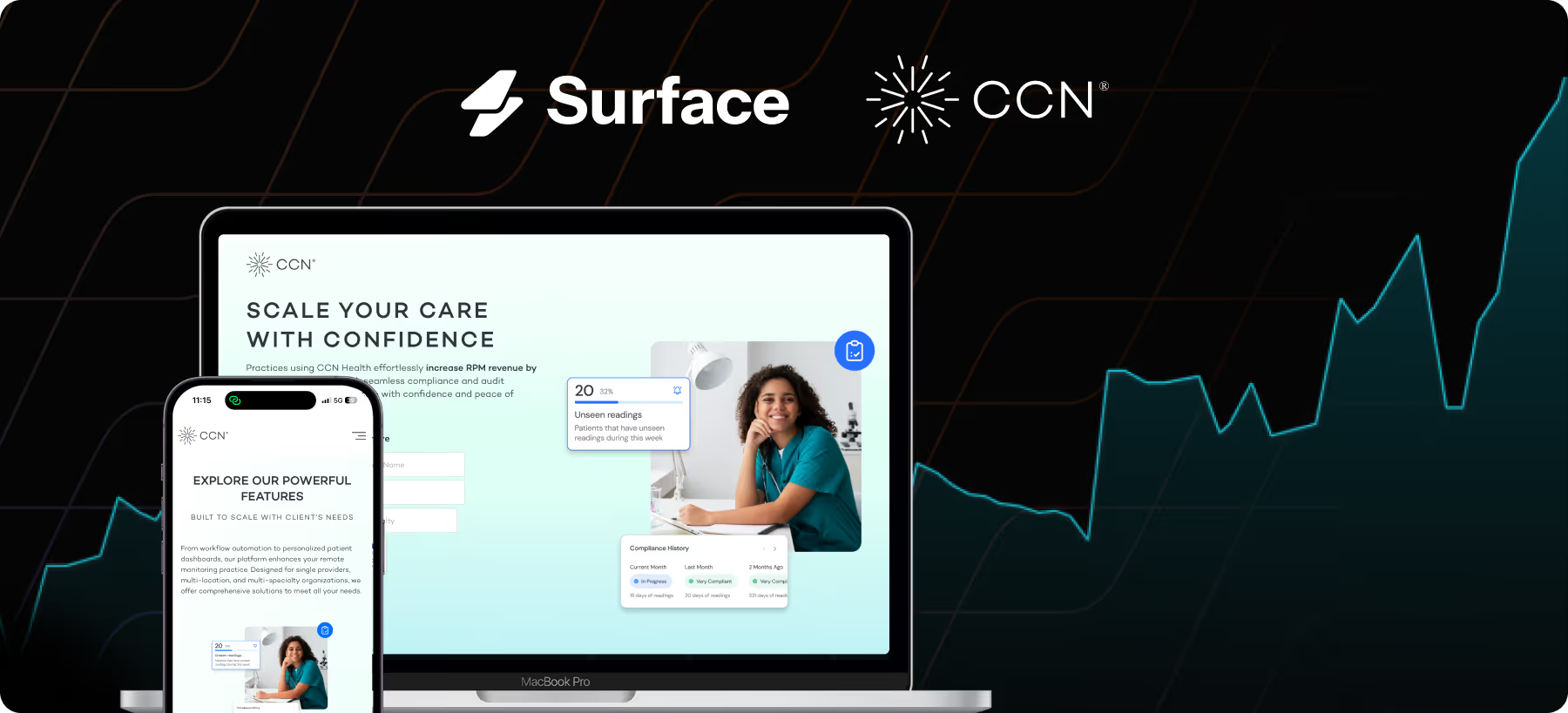
Traditional A/B tests hold traffic at a fixed split until they reach significance, which means half your visitors keep seeing the losing variant the entire time. Multi-armed bandit testing instead shifts traffic toward the better-performing variant as evidence accumulates, so you capture more conversions while you learn. This is the engine behind Surface AI, which runs continuous multivariate bandit experiments and reallocates traffic automatically — no manual stop-and-read decision required.
User Research and Heatmaps
CRO isn't only about running tests. Understanding why users behave the way they do is equally important. Tools like heatmaps, session recordings, and user surveys help diagnose friction before you start testing.
Personalization
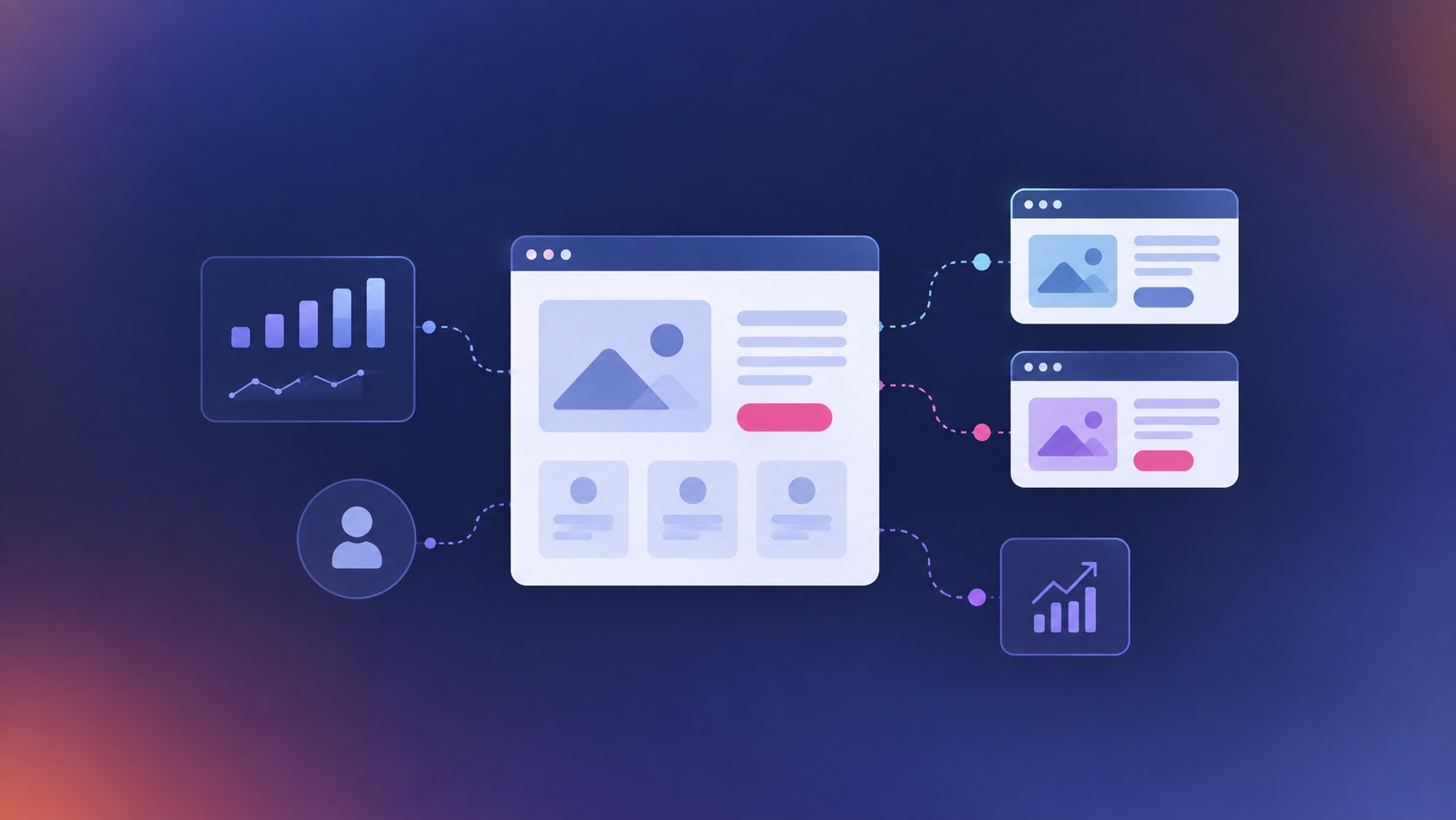
Rather than serving every visitor the same experience, personalization tailors the page based on who the visitor is — their traffic source, location, industry, or prior behavior. AI-driven platforms like Surface AI automate this at scale, adapting content continuously instead of relying on manually built rules.
What to Optimize First
Start where the impact is highest. Focus your CRO efforts on pages with:
The CRO Process
A repeatable CRO process generally follows four steps:
The teams that compound results fastest are those who run the most rigorous tests, not the ones who run occasional big redesigns. Increasingly, they also lean on adaptive platforms that keep optimizing between deliberate experiments — so no visitor goes to waste while a hypothesis is being validated.
CRO vs. SEO
SEO drives more visitors to your site. CRO converts more of them. They're complementary, not competing. Most high-growth marketing teams invest in both simultaneously.
Getting Started with CRO
You don't need a large team or a big budget to start optimizing. The fundamentals are accessible to any team:
If you want to accelerate results, Surface AI can run continuous multivariate optimization on your pages automatically — no engineering resources required. Setup takes about two minutes with a single script tag or a framework integration (Next.js, Vercel, Netlify, Shopify), and plans start at $79.99/month, so you can put a self-improving optimization loop on your site without an enterprise contract.