

Conversion Funnels Are Living Systems
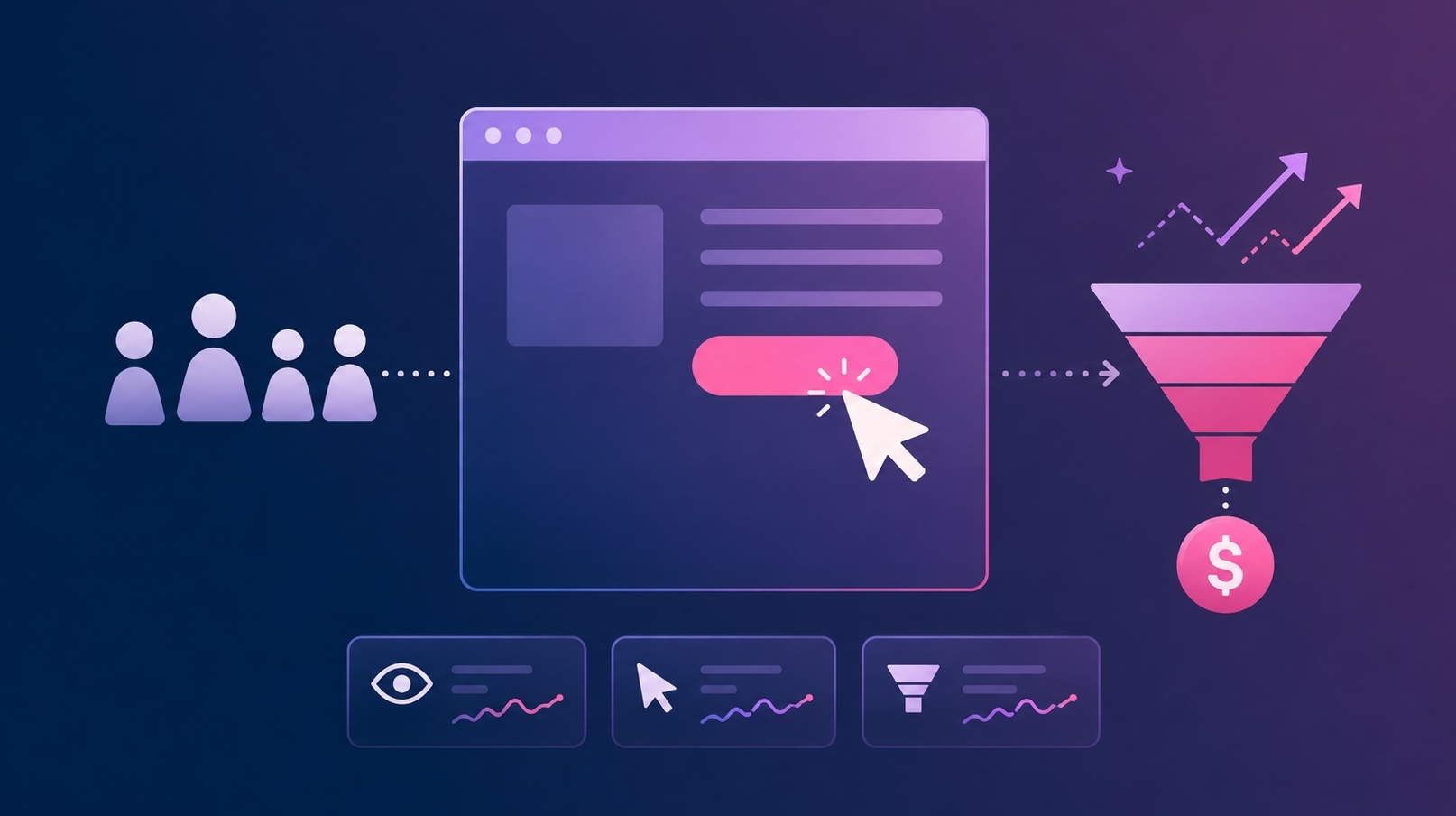
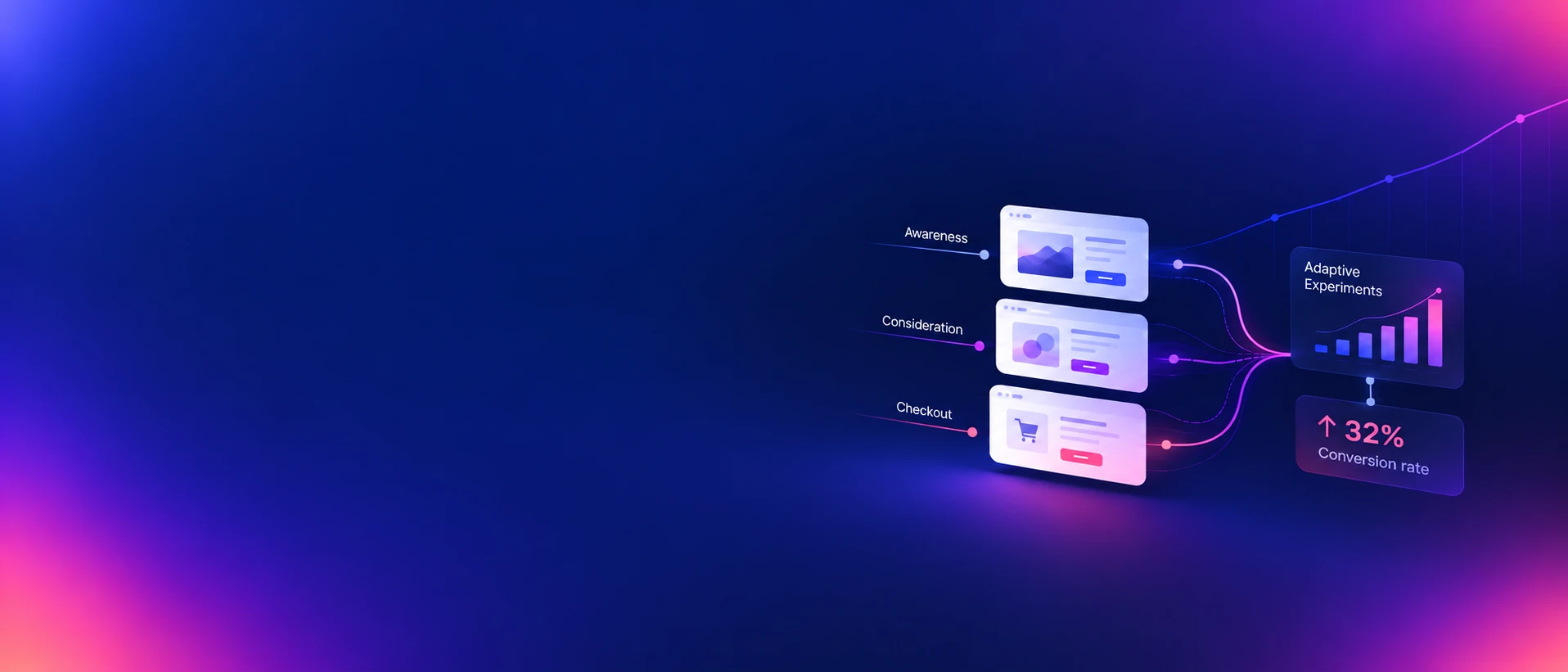
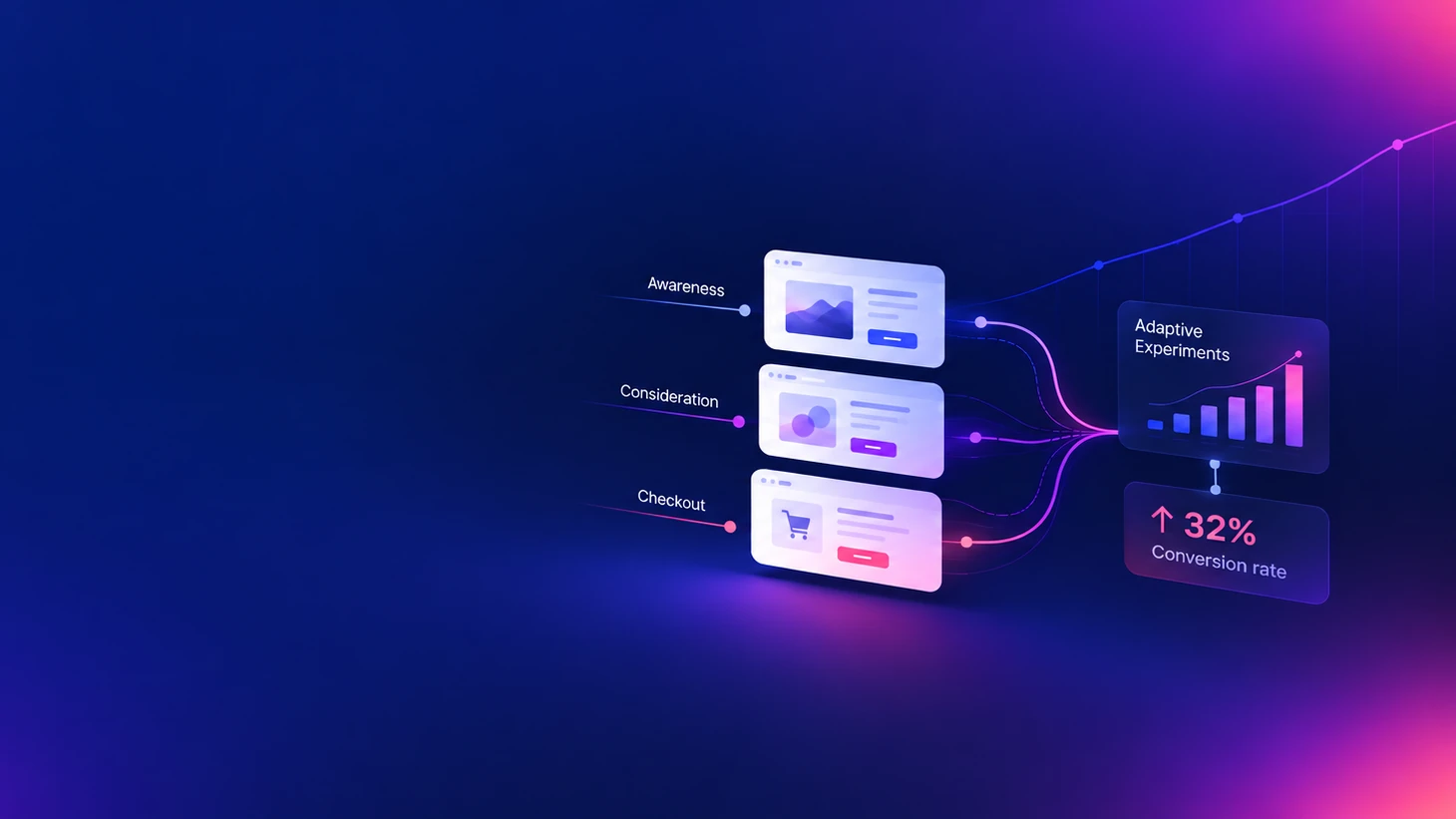
Your funnel — from awareness to checkout — isn’t a one-time build. It’s an evolving system shaped by real user behavior.
Yet many teams treat funnel optimization as a periodic task: quarterly reviews, static A/B tests, manual iteration. The result? Missed opportunities between updates.
Continuous Optimization in Practice
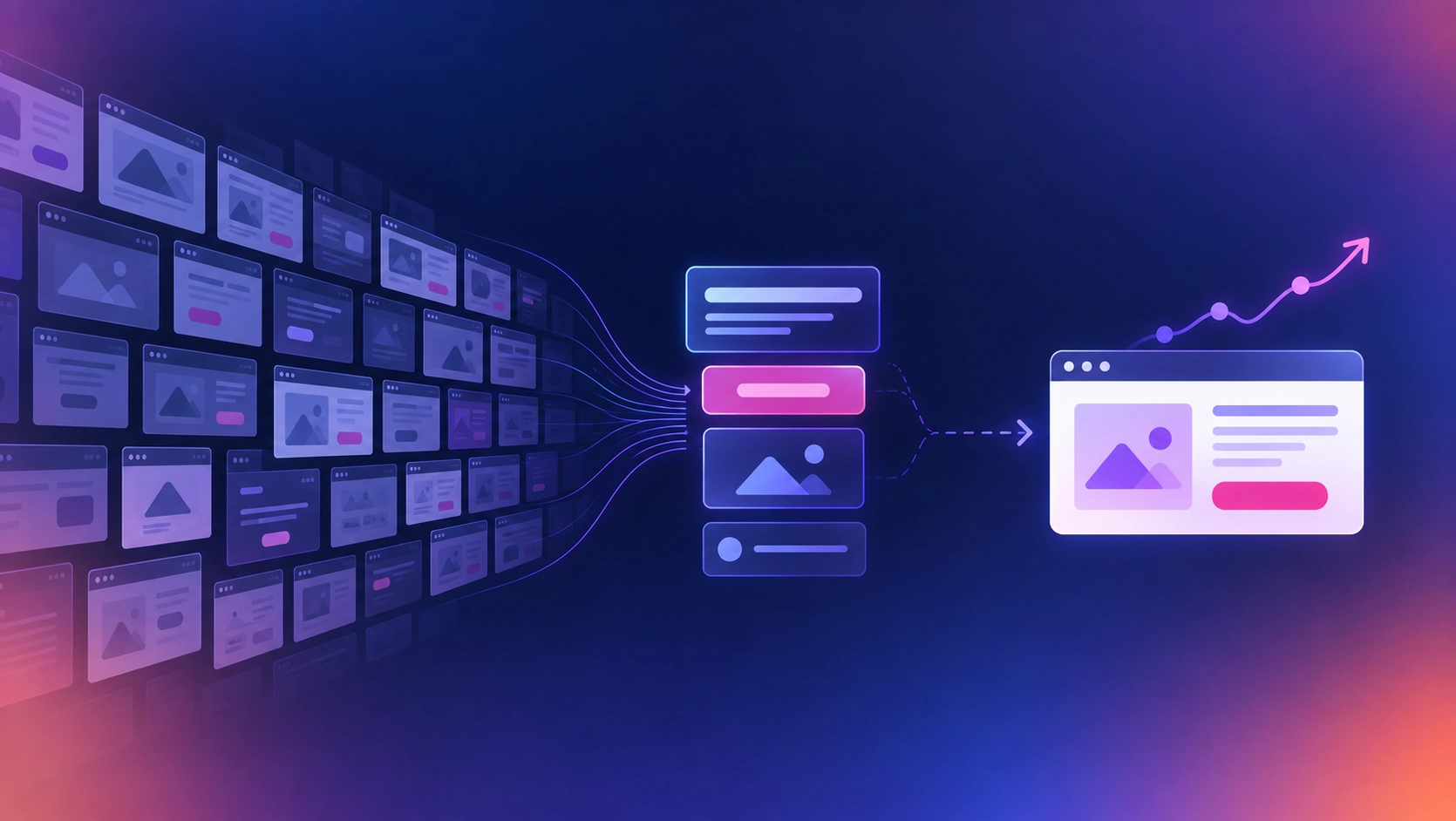
Modern experimentation frameworks like multivariate bandit testing continuously route more traffic to better-performing variants. Instead of freezing experiments until statistical significance is reached, they learn dynamically.
This turns optimization into a background process — always running, always improving.
Steps to Building a Self-Learning Funnel
- Map Friction Points: Identify drop-offs and user hesitation spots.
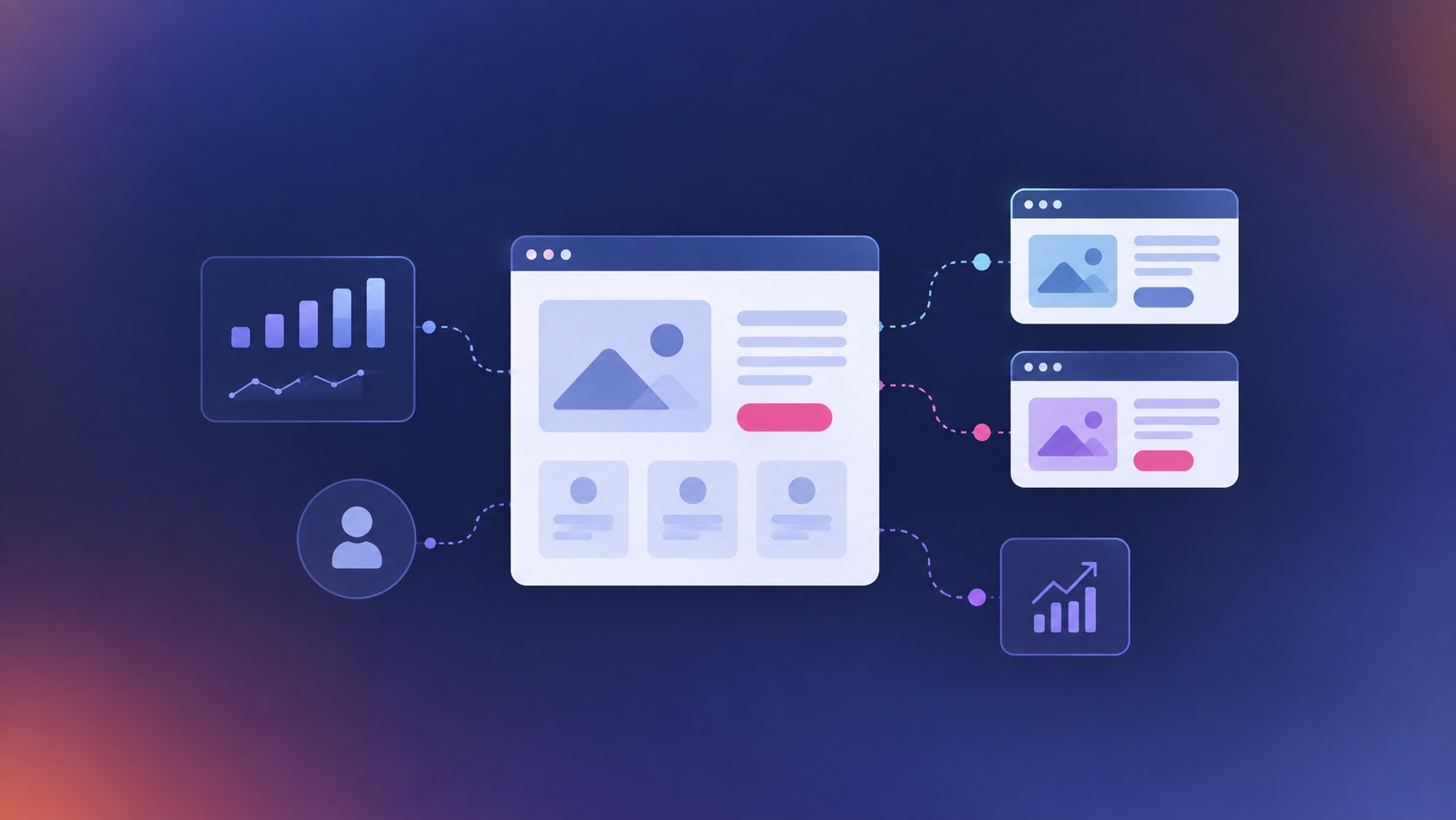
- Hypothesize Variants: Test alternative layouts, copy, or sequences.
- Automate Allocation: Use adaptive testing to send more users to winners.
- Iterate Continuously: Build on data-backed insights, not one-off tests.
In one real-world case, an ecommerce-style health brand used this continuous testing model and saw a significant conversion uplift across its marketing funnel — evidence that compounding, automated learning drives growth faster than static testing.
Why It Works
- No waiting for “statistical significance” before learning.
- Traffic naturally optimizes toward high-converting experiences.
- Insights compound over time instead of resetting with each campaign.
Integrations We Support
 Shopify
 WordPress
 Squarespace
 WooCommerce
 Lovable
 Bolt
Bolt Vercel
 Netlify
 Next.js
 Astro
Astro